Who is Toan, the person behind The Solo Backpacker?

What to do in Seoul? A must hike in Bukhansan National Park

Discover the natural splendor of Bukhansan National Park, a preserved reserve in the heart of South Korea. Immerse yourself in the diversity of its fauna and flora, with its majestic peaks, such as Mount Baegundae, the park offers breathtaking panoramas of Seoul.

Read the article
What to do in Seoul? A must hike in Bukhansan National Park

South Korea

South Korea: guide based on my trip. Authentic destinations, detailed budgets (backpacker to comfort) and tested addresses far from tourist circuits.

9
blog posts
Jeune homme portant une casquette beige et des lunettes, assis au soleil près d'un mur vert.

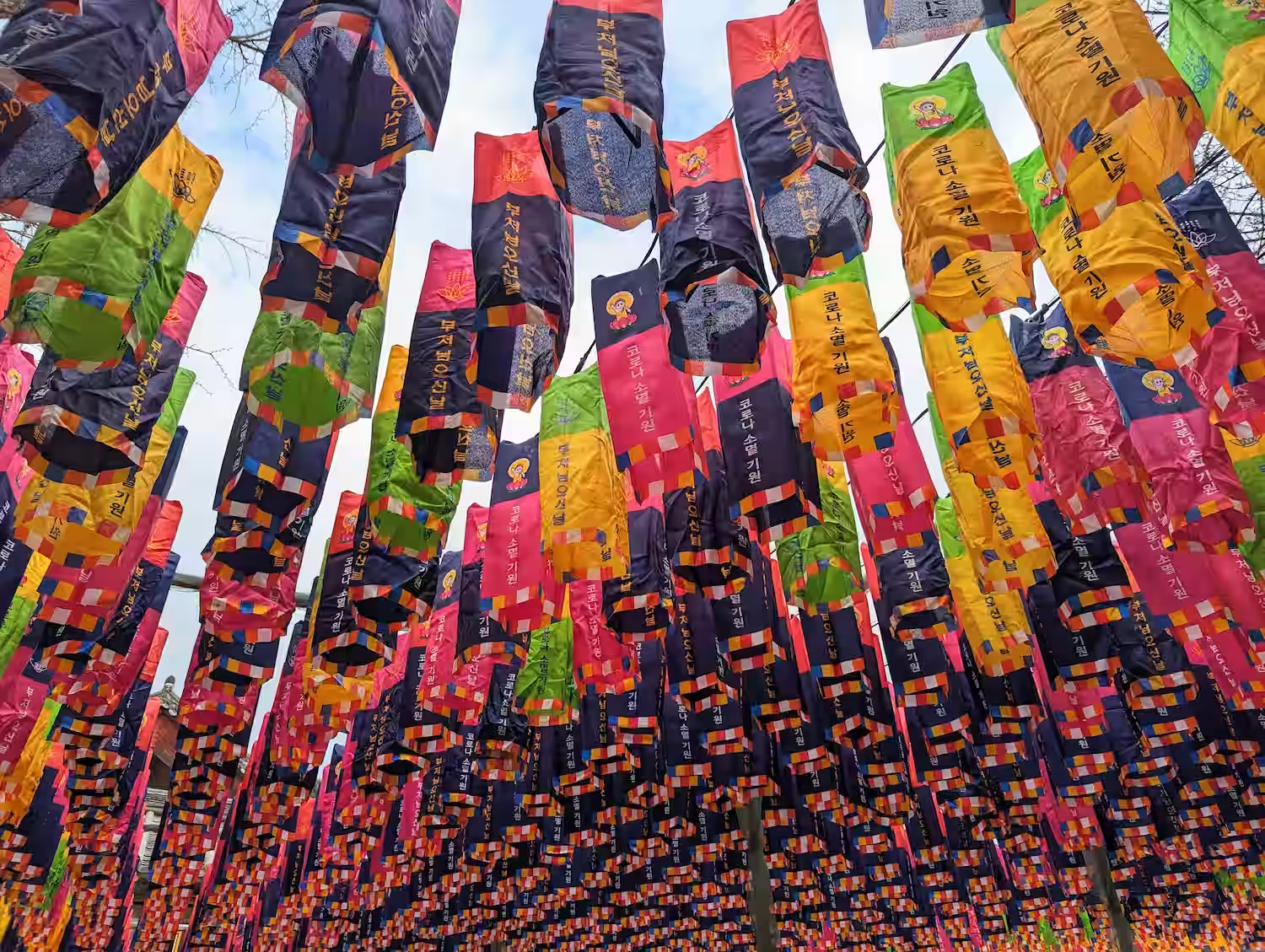
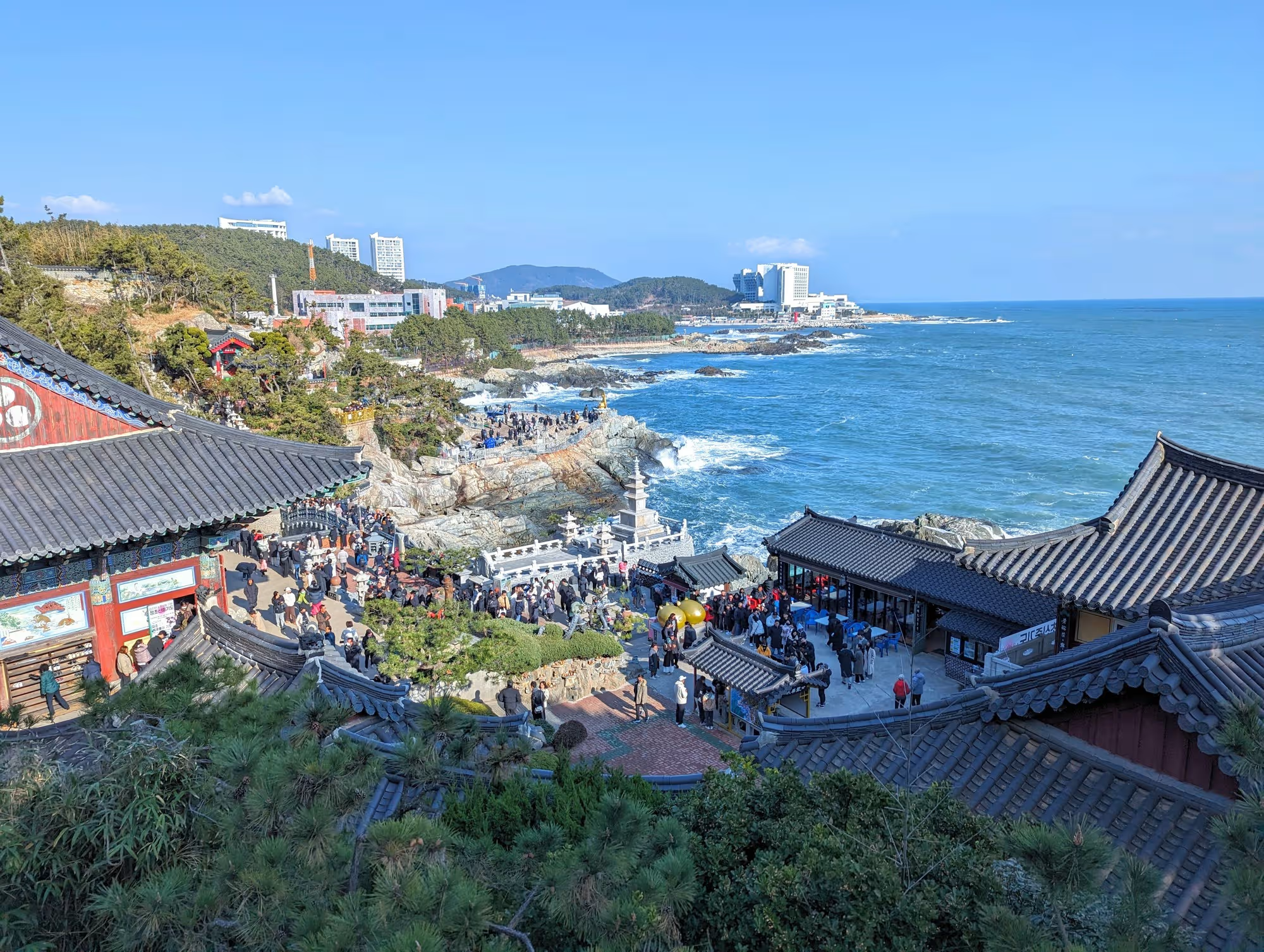
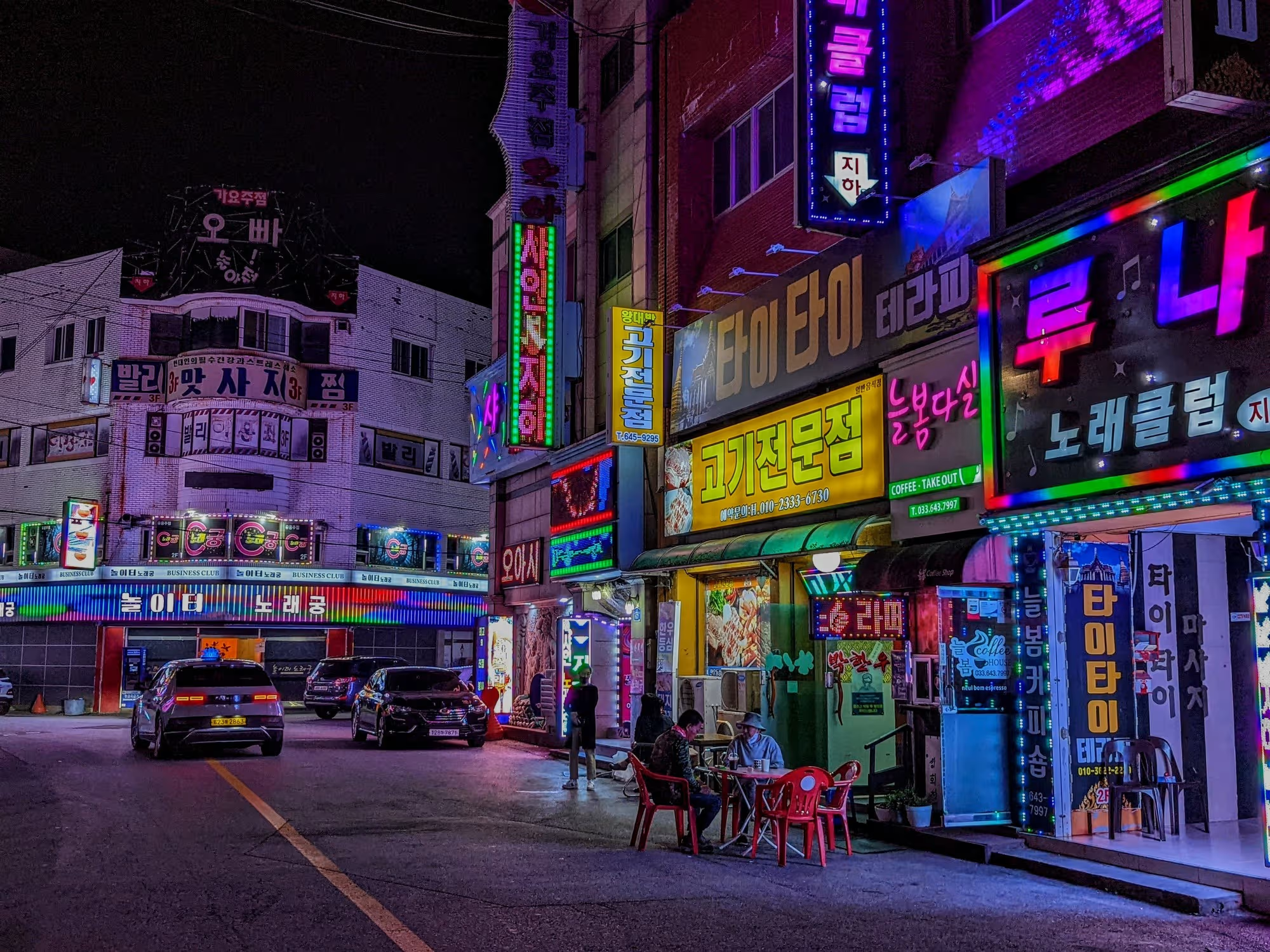
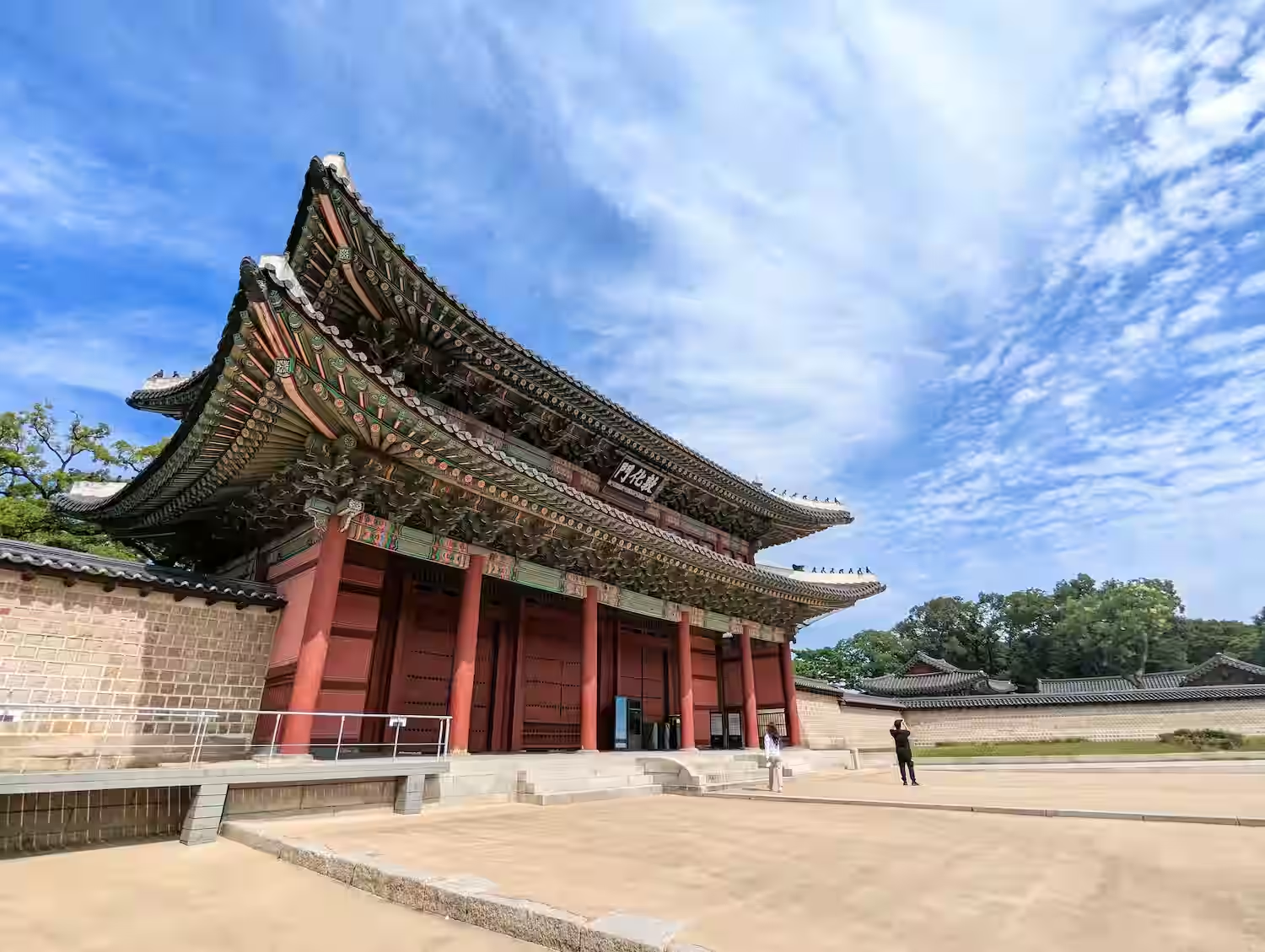
South Korea, between megacities, temples and mountains

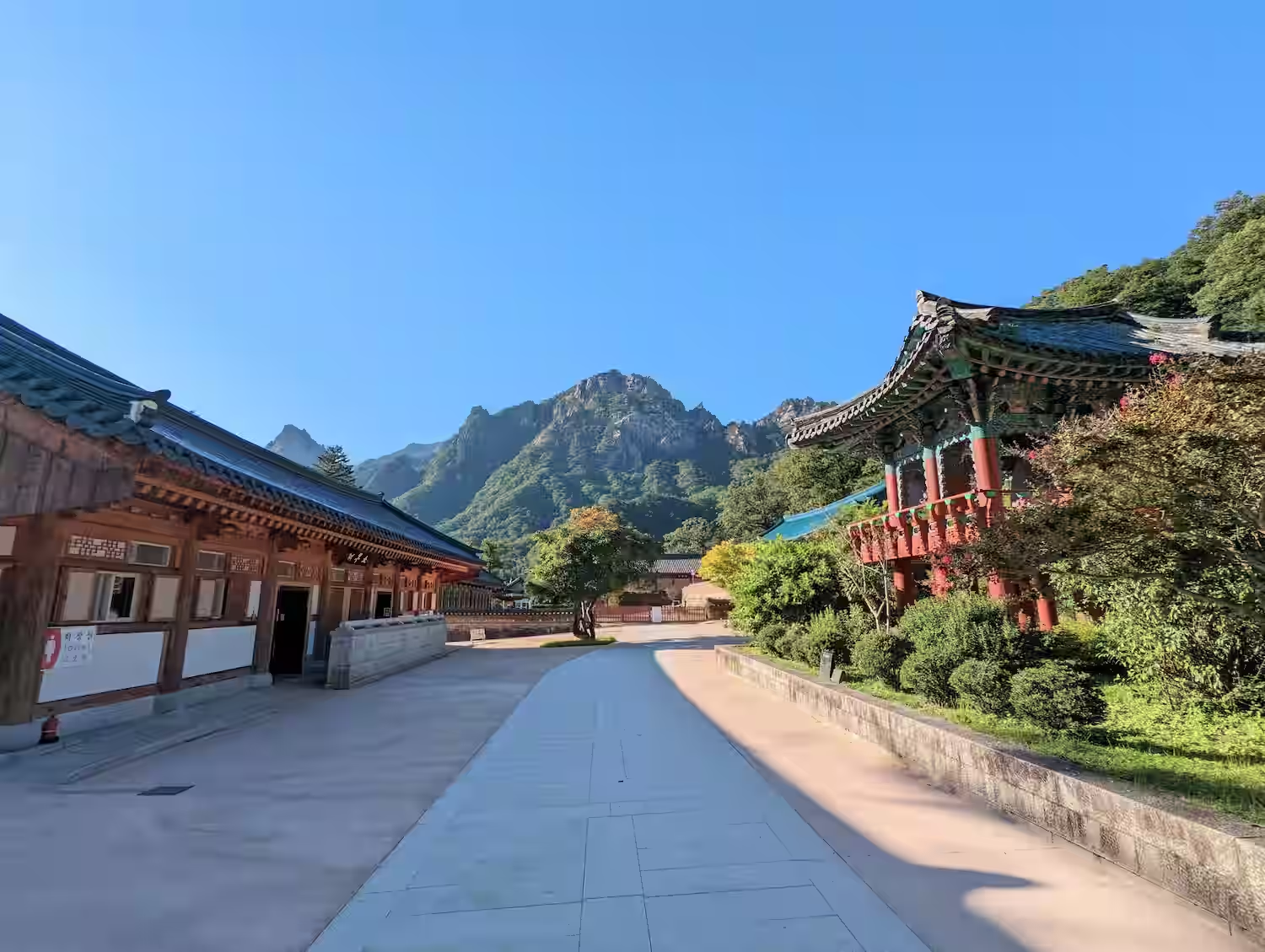
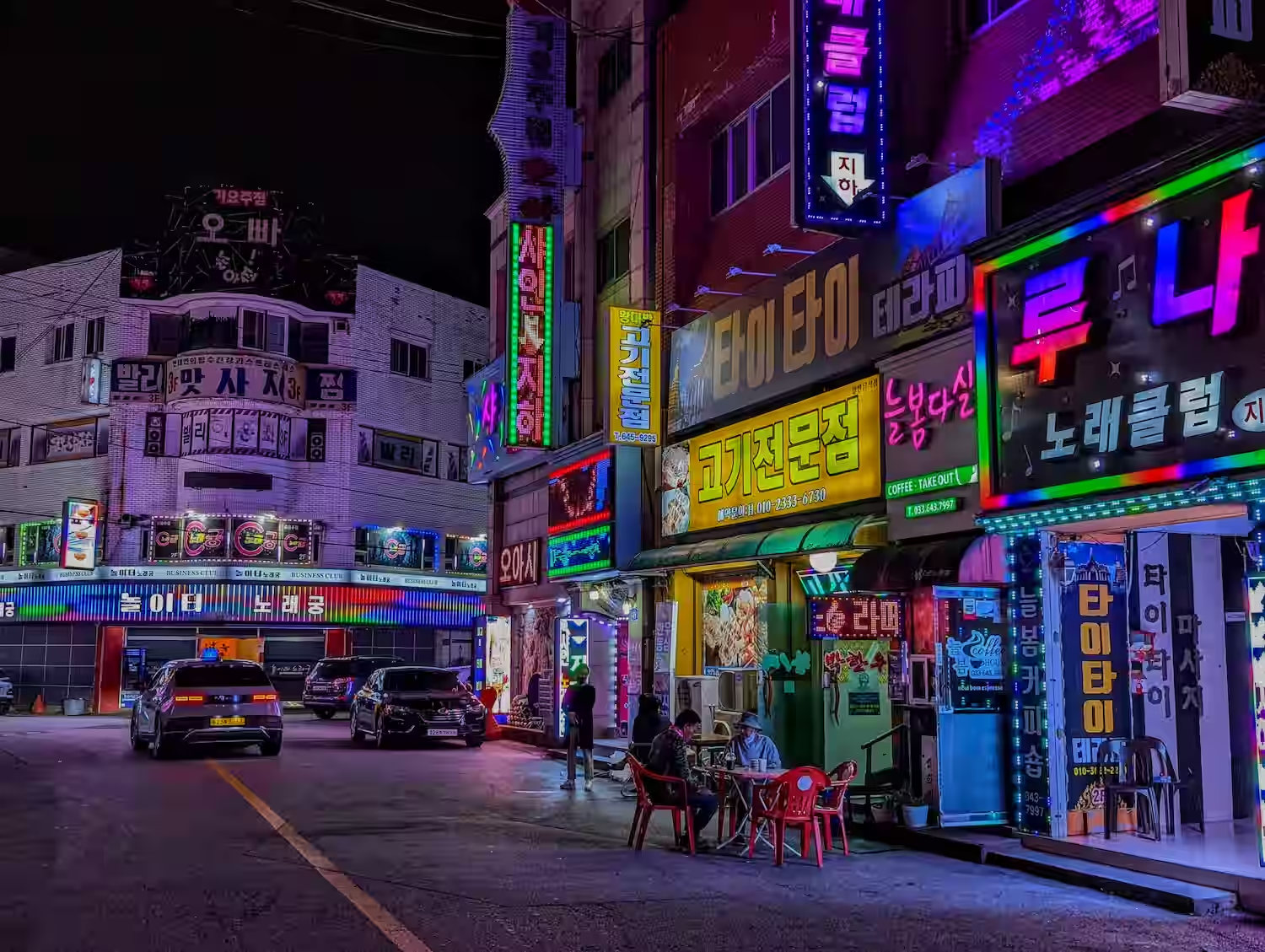
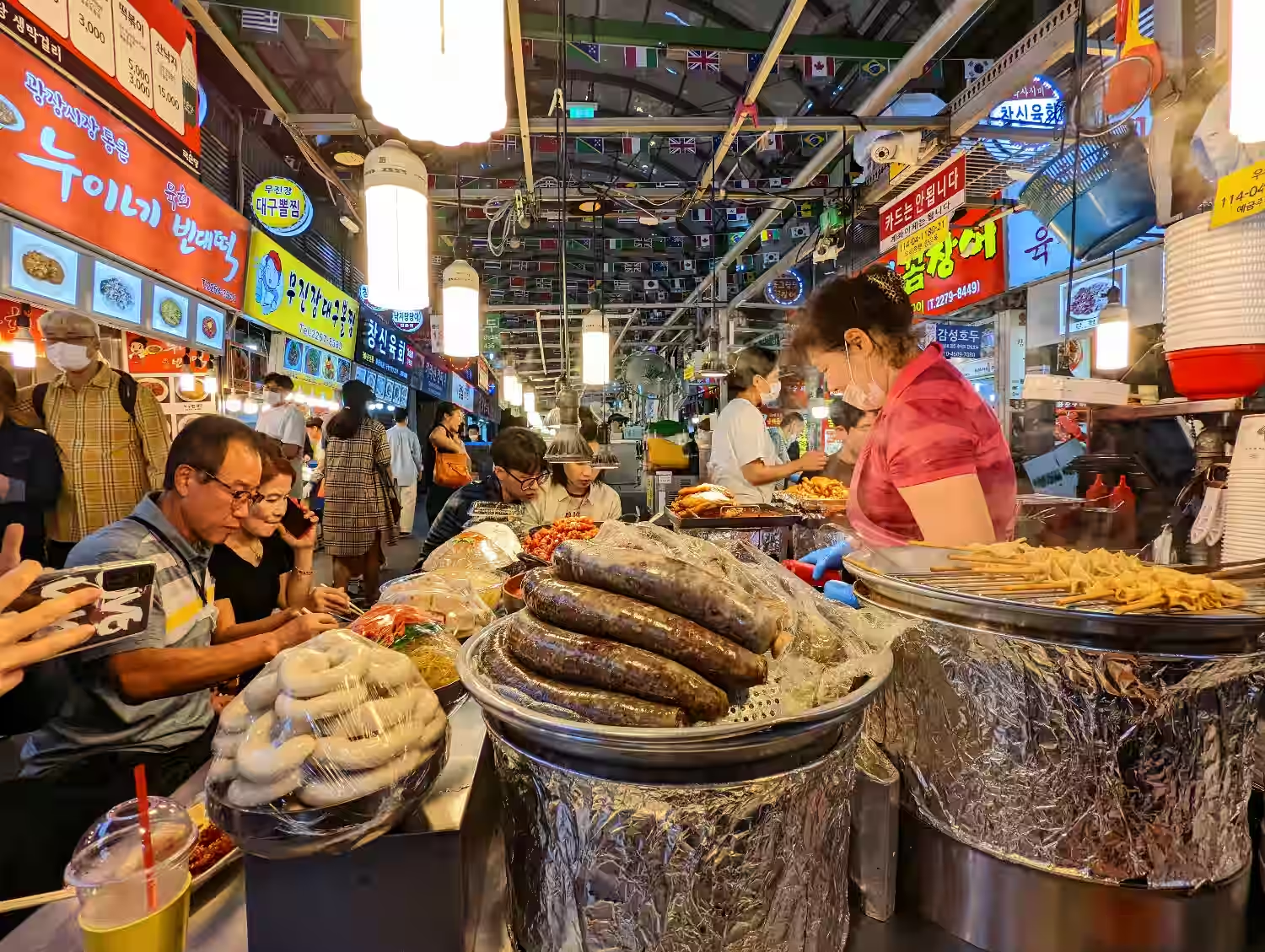
The Land of the Morning Calm is easy to explore by bus and train: Seoul and its lively neighbourhoods, Busan between beaches and markets, Gyeongju and its ancient temples, not to mention the mountains of Seoraksan. Here's everything you need to know to plan your trip, based on my 3 stays there.

Everything you need to know before you go

Any questions? I have the answer for you! You'll find everything you need to know on my blog The Solo Backpacker.

How many days to visit South Korea?

For a first trip, I recommend 3 weeks: that's how long it took me to travel around the peninsula by bus and train, from Seoul down to Busan via the east coast. With 15 days, focus on Seoul and 2 or 3 cities; with more than 3 weeks, you can add the south-west (Suncheon, Boseong, Jeonju).

To see how to link all these stops together, with the price of each journey, check out my 15-day to 1-month South Korea itinerary.

When to go to South Korea?

South Korea has 4 very distinct seasons, just like France. I mostly travelled there between September and December.

  • Spring (March-May): mild temperatures and trees in bloom, a great alternative to autumn.
  • Summer (June-August): it's hot, around 30 °C. It's peak beach season (Haeundae in Busan), but I don't recommend it for sightseeing.
  • Autumn (September-November): my favourite time. In September the heat drops and the tourists head home; in November temperatures go from around 20 °C to 10 °C, with red and orange autumn colours all over the country.
  • Winter (December-February): it gets very cold in Seoul, often below zero with icy winds, and the first snow falls. Flights are cheaper, but I don't recommend it if you plan to walk a lot. The south stays a little milder.

💡 My advice: aim for late September to November. If you go in November or winter, pack warm clothes, a thick coat and ankle boots.

What budget do you need for South Korea?

For 3 weeks travelling solo, I spent around €1,700, flights included, staying in guesthouses and getting around by bus and metro. Seoul is the most expensive city; a city like Gyeongju can be visited on around €30 a day.

To see the cost of every bus and train between each stop, check out my detailed article about the cost per category for a first trip in South Korea.

Where to stay in South Korea?

In South Korea, I almost always stayed in guesthouses or hostels. They offer the best value for money, and that's where I met the most amazing people.

  • Guesthouses and hostels: €10 to €20 a night in a dorm. Many also offer private rooms for the price of a budget hotel (around €30 to €40).
  • Hotels: from €30 a night, with variable quality at that price.
  • Hanok (traditional house): an experience to try at least once, especially in Gyeongju. Count at least €50 for a private room.

💡 My tips: book the best-located places in advance, as they fill up fast, and choose weekdays rather than weekends, when prices go up.

My neighbourhoods and tried-and-tested places are in each city guide:

Practical information for visiting South Korea

🚇 Getting around

The Korean transport network is one of the most efficient I know: punctual, clean and very well connected. Remember to buy a T-Money card as soon as you land. All my tips (buses, KTX, metro, apps, Korail Pass) are in my complete guide to transport in South Korea.

📶 Internet

Free WiFi is fairly rare outside cafés. Get a SIM card or an eSIM with data, to book before you leave.

📄 Entry requirements

No visa needed for a tourist stay with a French passport. The K-ETA (electronic travel authorisation) is not required until 31 December 2026: check the current rules for your nationality before you leave.

Frequently asked questions about South Korea

❓ Do you need to rent a car in South Korea?

No. I travelled all around the country in 3 weeks by combining buses, trains and the metro, without ever needing one. Public transport covers almost the whole country, including the national parks.

❓ Do you need to speak Korean to travel in South Korea?

No, conversational English is enough to get by, with the help of a translation app like Papago. A few basic words (hello, thank you) are always appreciated, especially outside Seoul.

❓ Should you go to Jeju Island?

I haven't visited it yet, and I didn't include it in my itinerary. For a first trip, the mainland cities already offer more than enough to do: in my opinion, Jeju isn't a priority.

Or explore by destination

Do you have a destination in mind? Or are you looking for inspiration? Explore my various articles detailed by destination to help you build a perfect itinerary and experience an unforgettable trip!